
Case Study, Phase 2
State Entity Transforms Legacy VDI Into a Cloud Ready, Intelligent, Containerized EUC Platform

Executive Summary
After the successful cleanup and standardization of its on premises Horizon 8 environment in Phase 1, a major State Entity partnered with Z7 Solutions to take the next step. The goal was not only to keep the environment stable, but to modernize it for cloud, hybrid work, and continuous improvement.
Z7 engineered a staged move from Horizon 8 on premises to Horizon Cloud on Azure Gen 1, and then to Gen 2. The team implemented a hybrid FSLogix and DEM profile strategy, modernized application delivery with Turbo containers, migrated endpoint security from Carbon Black to SentinelOne, and improved experience across Wyse thin clients, Chromebooks, and laptops. Omnissa Intelligence and HaloPSA were used to drive analytics based operations.
The result is a cloud enabled, containerized, and security modernized EUC platform that delivers faster logons, fewer incidents, and a better user experience, while giving the agency more flexibility for future initiatives.

Customer and Context
Organization
State economic development agency (State Entity)
Environment
Two main data centers, Horizon based VDI estate, and a mix of Wyse thin clients, Chromebooks, and Windows laptops and desktops.
Phase 1 Outcome
Stabilized and standardized Horizon 8, fully retired Citrix, cleaned up AD and GPO, and strengthened DR.
Phase 2 builds directly on that foundation and aligns to Z7 capabilities in cloud and virtualization, end user computing, automation and AI, cyber resilience, and business continuity.

Challenge
Once the environment was stable, the State Entity needed to move from a purely on premises mindset to something more flexible and future proof.
Business and operational drivers included:
- Heavy reliance on physical data centers and hardware refresh cycles.
- Limited ability to scale quickly for remote and hybrid work.
- Ongoing problems with profile persistence, PDF defaults, Teams and Zoom performance, and printing, especially from Chromebooks and Wyse endpoints.
- Gold image sprawl and fragile application packaging that made change risky.
- Carbon Black agents that consumed resources and generated false positives in VDI.
- A desire to base decisions on telemetry and patterns rather than one off incidents.
The agency needed an EUC platform that was cloud aware, container capable, and supported modern security and analytics, without disrupting daily operations.

Environment wide
- Citrix remained partially in production. This meant duplicate tool sets and unnecessary licensing cost.
- App Volumes and DEM were used without clear rules, which caused random application failures.
- Active Directory was full of stale objects. Group policies were layered, conflicting, and hard to maintain.
- DR was limited to basic backups, with no real confidence in recovery.
- Help desk teams were handling a high volume of tickets related to logons, profiles, printing, and session stability.
The mandate to Z7 Solutions was clear:
Fix Horizon, retire Citrix, standardize the environment across both sites, and keep production VDI on premises, using cloud only for backup and DR.
Z7 Solution
1. Horizon On Premises To Horizon Cloud on Azure, Gen 1 and Gen 2
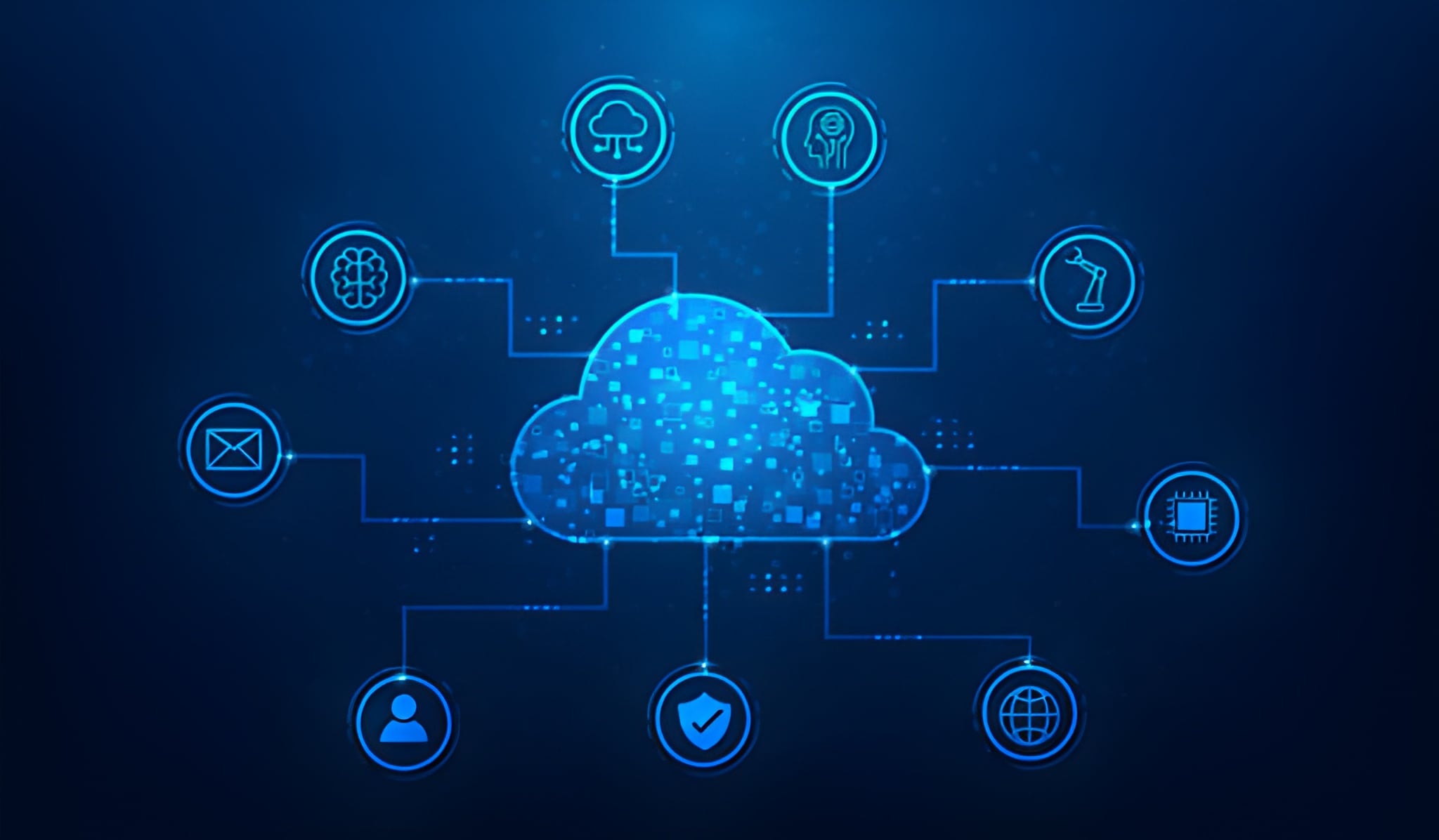
Z7 designed and executed a controlled path into Horizon Cloud on Azure.
- Enabled Horizon Cloud on Azure Gen 1 to introduce cloud elasticity and reduce dependency on physical hardware.
- Identified limits in the Gen 1, appliance based approach, such as slower updates and vendor dependent fixes.
- Moved the agency to Horizon Cloud on Azure Gen 2, which provides a cloud native control plane, faster brokering, tighter integration with Azure identity and telemetry, and better scale for hybrid work.
Horizon Cloud Gen 2 now acts as the backbone of the EUC stack for both cloud and on premises workloads.

2. Modern Profile Architecture Using FSLogix and DEM
To resolve chronic profile instability and logon issues, Z7 implemented a hybrid profile design.
- Introduced FSLogix profile containers in place of roaming and traditional local profiles.
- Continued to use DEM for granular user and application settings.
- Tuned GPO sequencing and FSLogix settings to fix printer persistence, Number Lock resets, taskbar and icon behavior, Chrome and Adobe default handling, and Teams and Zoom performance.
Pools that use FSLogix saw a reduction in profile related tickets of roughly 25 to 40 percent and produced a more predictable logon experience.

3. Application Modernization With Turbo Containers
To reduce image size and support consistent application behavior across cloud and on premises, Z7 introduced Turbo for application streaming and packaging.
- Implemented Turbo SaaS and packaging studio for the agency.
- Rebuilt critical applications such as Adobe and PDF tools, browsers, Office, productivity apps, CAD, and line of business applications as Turbo containers.
- Resolved long standing Adobe and PDF default issues and licensing conflicts.
- Designed containers so they can be delivered to Horizon Cloud (Gen 1 and Gen 2), Horizon on premises, and AVD pools.
The shift to containers greatly reduced gold image regressions and made it easier to test and roll out application updates.

4. Endpoint Modernization Across Wyse, Chromebooks, and Windows Devices
Z7 addressed the diversity of endpoints so that the Horizon experience would feel consistent.
Wyse Thin Clients
- Upgraded ThinOS firmware to improve stability.
- Fixed USB redirection, audio breaks, and peripheral drops.
- Standardized Horizon client versions in line with Horizon Cloud Gen 2.
Chromebooks
- Resolved remote printing and profile persistence issues.
- Aligned Chrome identity and policies so users could launch Horizon reliably.
Windows Laptops and Desktops
- Continued patching, hardening, and Group Policy optimization through ongoing managed services.

5. Security Modernization From Carbon Black To SentinelOne
To improve security and reduce impact on performance, Z7 led a transition from Carbon Black to SentinelOne.
- Removed Carbon Black agents and replaced them with SentinelOne.
- Validated SentinelOne behavior inside gold images and Turbo containers.
- Tuned allow lists and policies to avoid conflicts with FSLogix, Turbo, and Horizon Cloud.
This provided stronger, behavior based detection with fewer false positives and lower resource utilization in VDI pools.

6. Intelligence Driven Operations With Omnissa Intelligence and HaloPSA
Z7 helped the agency move from reactive incident handling to analytics guided operations.
- Used Omnissa Intelligence for device experience scoring, performance telemetry, anomaly detection, and policy drift insights.
- Used HaloPSA for ticket classification, trend analysis, root cause mapping, and SLA tracking.
Together, these tools allowed Z7 and the agency to:
- Group issues into patterns, such as profiles, printing, apps, endpoints, security, Group Policy, or Horizon.
- Prioritize tuning of FSLogix, DEM, Turbo containers, Wyse and Chrome clients, and SentinelOne policies.
- Measure the impact of changes over time and continuously refine configuration.
Measured Outcomes
- Average logon times in Horizon Cloud Gen 2 are roughly 20 to 30 percent faster than in the pre cloud Horizon environment.
- Profile, application, printing, and peripheral issues in FSLogix enabled pools dropped by about 25 to 40 percent.
- Turbo containers eliminated many regression patterns that used to appear after traditional image updates.
- SentinelOne improved overall security posture while using fewer resources than Carbon Black.
- Wyse and Chromebook reliability improved significantly after firmware and client changes.

Strategic Impact
Taken together, Phase 1 and Phase 2 form a complete EUC transformation story.
- Phase 1 focused on stabilization and cleanup. Z7 rescued a failed Citrix to Horizon migration, standardized Horizon 8 on premises across two data centers, retired Citrix, and remediated identity, policy, and DR issues.
- Phase 2 focused on modernization and agility. Z7 delivered Horizon Cloud on Azure Gen 2, a hybrid FSLogix and DEM profile strategy, Turbo containers, SentinelOne, endpoint modernization, and intelligence driven operations.
The State Entity now operates a modern, reliable, and secure EUC platform that is ready for new workloads, new services, and continued modernization without a complete re architecture.